


Service Rating | 1,422 reviews
Search vehicles...
01995 642440
Mon - Fri: 9am - 5:30pm
Charging an electric car at home is one of the best ways of topping up. Not only is it more convenient, but it also allows you to take advantage of EV-focused tariffs which unlock lower-price rates of electricity.
At My Electric Lease, we’ve got many of the very latest electric cars to choose from but if you’re wondering how you’ll charge any of them up, read on to find out.
Provided you’ve got off-road parking, a garage, or another area suitable for installing a charge point, you’re ready to go. Installation prices vary, and there may be additional costs if you need any part of your electricity supply upgraded or changed. If you need your charger located far away from your main electric consumer unit, then this could add some additional cost, too.
However, for the vast majority of people, you can expect to pay between £700 and £1,500 for both the charging unit and the installation. These prices, as mentioned, do vary, so make sure to get plenty of quotes and speak to major energy suppliers about their current offers.
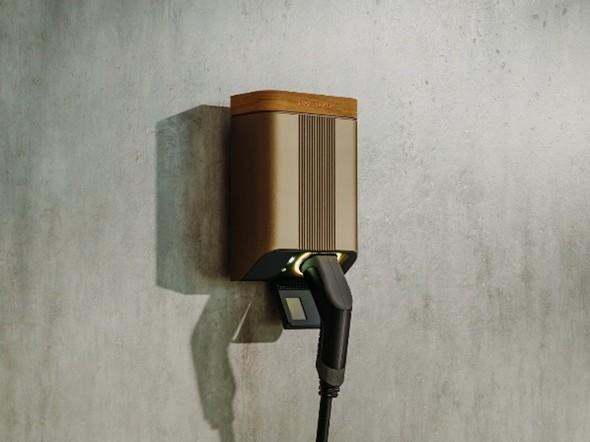
The process begins once you’ve confirmed the order with a supplier or charging provider. Most will ask for a basic blueprint of your home, showing where the main electricity feed is located and where you’d like the charger placed. Most will then send out an engineer to take a look at the house and make sure that everything is ready for the install.
Most installations can be completed in between two and four hours, though it may take longer if the job proves to be more complex.
.jpg)
Yes! At a basic level, you’ve got the option of either tethered or untethered. The former comes with a cable attached - and this cannot be removed - while the latter comes without a cable and you’ll have to use the one supplied with the vehicle instead.
There are also varying levels of ‘smart’ chargers. These can intelligently choose when to start and finish a charge, depending on your energy tariff. Essentially, these units will ‘speak’ to your home energy supply and toggle the charge on and off to make it as cheap as possible. This can be overridden, of course, if you need to charge in a hurry.
This is where finding the right tariff is important. If you were to charge an electric car at a standard home rate of around 26p/kWh, then it’d cost around £20 to charge an average-size electric car from 10 to 100 per cent. This is still cheap - and much cheaper than the £61 it’d cost to do the same at a public charger - but there are ways to make it even lower in cost.
Switch to an EV-friendly energy tariff, and you’ll be able to access lower rates of charge at certain points. Some providers offer rates as low as 7p/kWh, which drops that total charge cost to just £5.40. It transforms the experience and helps to make an EV considerably cheaper to run, particularly when compared to your traditional combustion-engined car.
Electric home chargers are designed to a set standard which will mean that nearly all electric cars will work with them. Home chargers provide a ‘slow’ rate of electricity - rather than high-powered public ones - and that means you can expect to fully charge an average EV in around 9 hours. They’re ideal for topping up overnight, which is also when energy prices are traditionally at their lowest. Remember, they can also be used to charge up plug-in hybrids.
So whether you’re after a car like the Volkswagen ID.7 Tourer, BYD Seal or Skoda Enyaq - all of which you’ll find available here at My Electric Lease - you’ll be able to get them topped up at home.


















Complete the form below and we'll get back to you.

One moment please, we're just submitting your enquiry.