


Service Rating | 1,422 reviews
Search vehicles...
01995 642440
Mon - Fri: 9am - 5:30pm
Having the ability to charge at home is completely transformative for the whole electric vehicle experience. Not only does it mean you’ll always get to leave with a full charge, but you’ll also be able to charge at low rates of energy, which can help to make driving a lot cheaper overall.
However, there are some aspects of the whole charger journey to consider. Here at My Electric Lease, we’ve got some of the very latest electric cars to choose from but what do you need to know about charging them up at home? Let’s take a look.
To begin with, you’ll need to consider whether having a home charger fitted is feasible. For instance, do you have off-street parking or at least a dedicated space close to your property? If not, then things will get trickier - though options such as pavement gulleys are there, but you’ll need to discuss this with your local council before installing.
However, if you do have off-street parking or a garage, then things get easier. Think about where you’d like the unit placed and browse the internet for charging box providers. There are many to choose from today, with different designs and finishes to suit your home.
Once you’ve found a provider, you’ll need to find out what their installation process is. Most will require a floor plan of your home and the location of the main electricity consumer unit to determine how easy it’ll be to install the charger.
From there, you’ll be assigned a time and date for an installation. Many charger providers use local electricians to install a charger, too. Once they’re there, they’ll look at the best possible way to get the unit installed; this can sometimes mean running cables underneath the floorboards or drilling a hole through a wall to gain access. It all depends on where you want the charger installed and how far away it is from the consumer unit.
Most providers include a certain amount of cable in the initial installation cost, too, though if they require more, then it’ll add an extra charge. Double-check this when booking your installation.
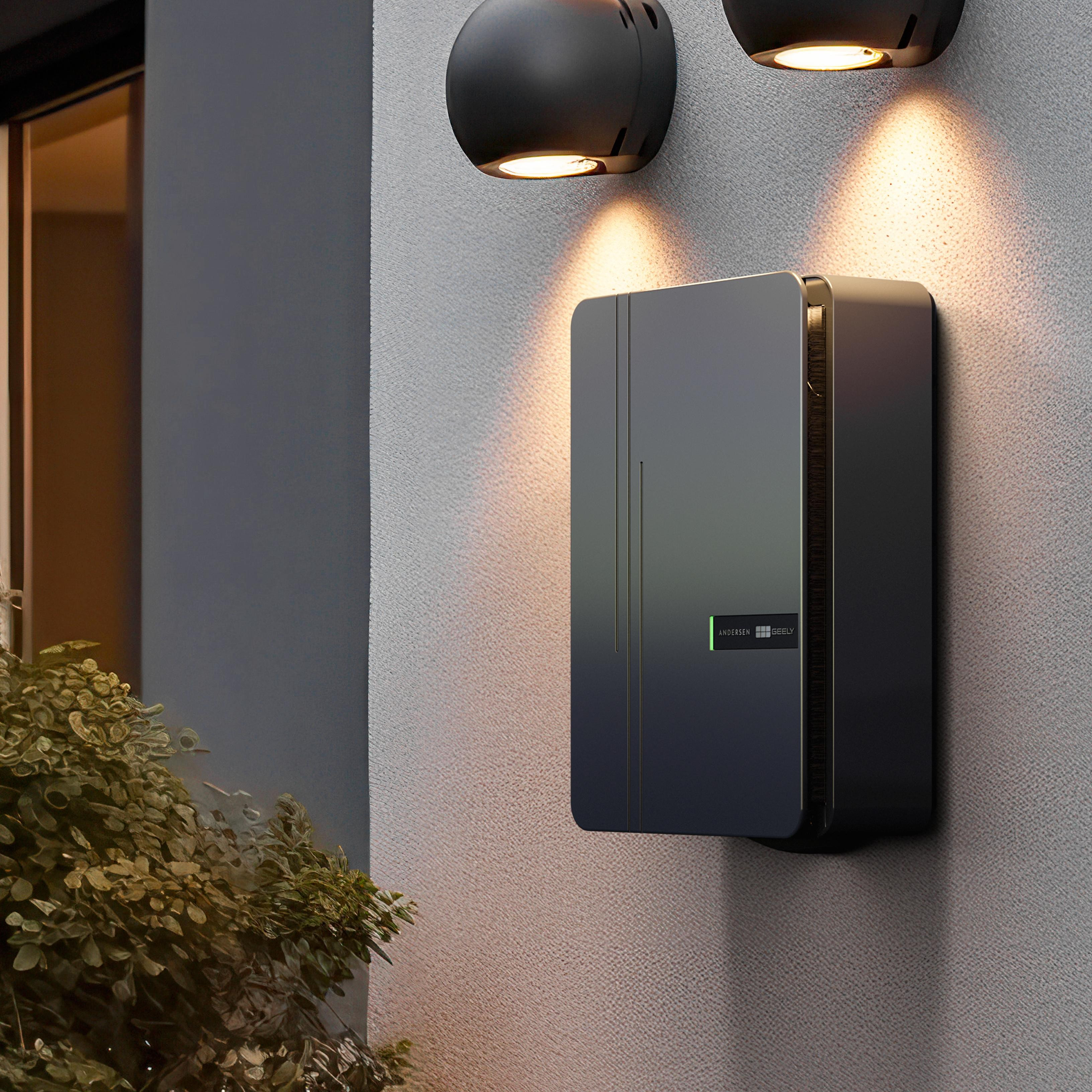
Costs do vary for EV charger installation, but you can expect to pay between £800 and £1,200 for both the unit itself and the installation. Naturally, if your installation is more complex or you want your electricity upgraded to a more powerful three-phase supply - which unlocks quicker charge rates - then this price will go up.
Once you’ve got your charger installed, it’s time to pick an energy supplier. This is important, as it really affects how much you’ll be paying to charge your electric car up. Some of the most popular ones offer more flexible tariffs which deliver lower charge costs when you plug it in off-peak times. Most can do this intelligently, too, so they will remotely start and stop your charge depending on when the cost is at its lowest.
Many comparison sites will show you a good spread of providers, but make sure that they’re offering an EV-focused tariff that’ll help to make charging as cheap as possible.
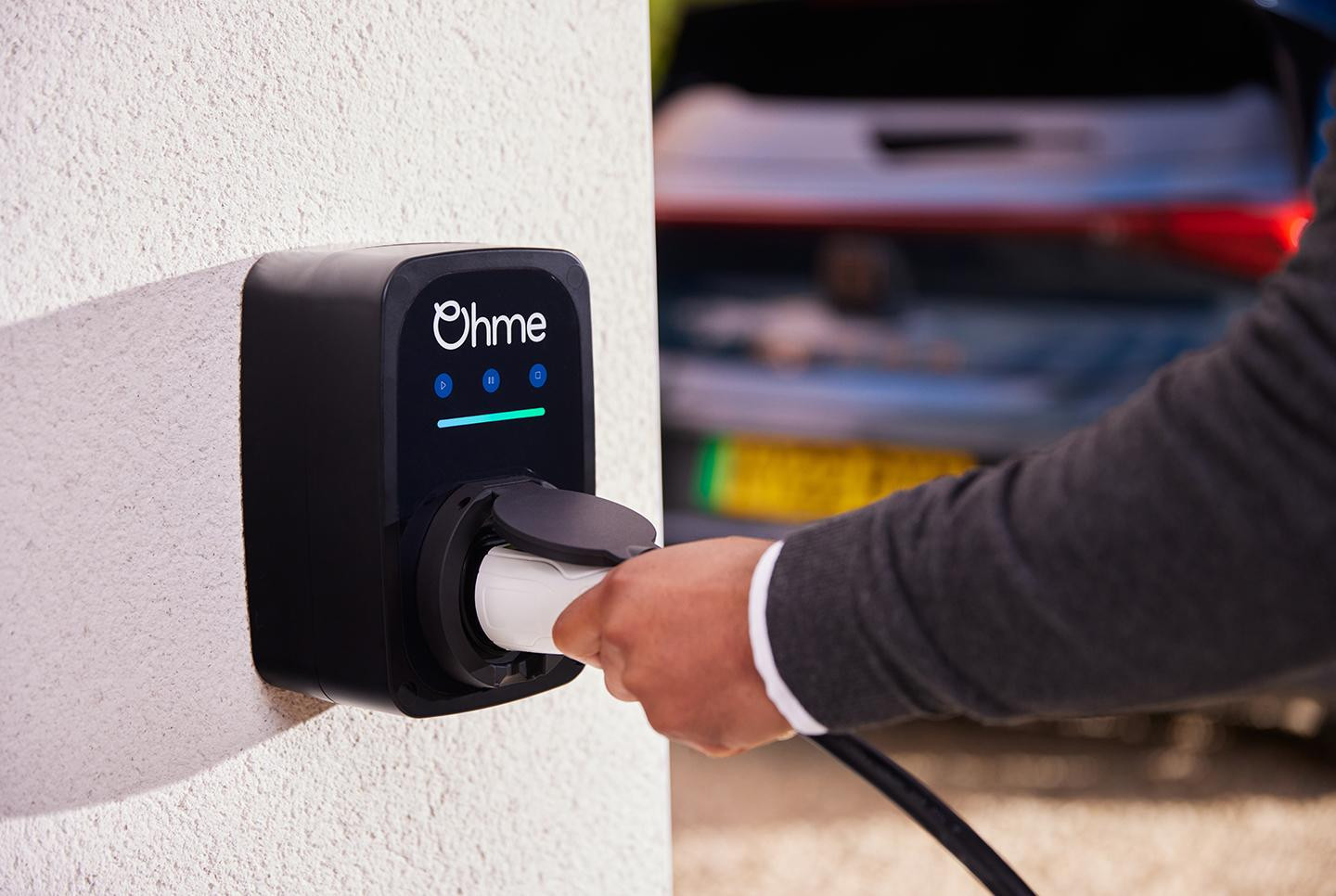
Most home chargers deliver a charge rate of 7kW, which is enough to fully charge an average electric vehicle overnight. However, if you’re after a higher rate of charge, such as 11 or 22kW, then you’ll most likely have to look at upgrading your home energy supply.
Since most domestic properties in the UK can only deliver a maximum of 7kW via a home charger, you’ll need to upgrade your system to avoid overloading your home. This will cost more but, if you’re after a quicker rate of charge, it could be worth it.
Think the electric vehicle journey is one you want to try? Check out our current lease deals on some of the latest electric cars today.


















Complete the form below and we'll get back to you.

One moment please, we're just submitting your enquiry.