Do EVs still need to be serviced or MOT’d?
If you’re a first-time EV buyer, the process can be an exciting yet nerve-wracking experience.
There’s a lot to consider. From home charging to seeking out the best rapid chargers when you’re out and about, getting behind the wheel of your first EV takes a little bit of consideration. The good news is that thanks to years of expertise, we've got answers to all the questions you might have about electric cars here at My Electric Lease.
Unlike ICE vehicles, though, an EV has far fewer moving parts. Does that mean electric cars don’t need to be serviced or MOT’d?
We’ve answered all of your questions regarding EV maintenance, so you know exactly what to expect if you’re thinking about making the transition from combustion power to electric.
Do EVs need to be serviced?
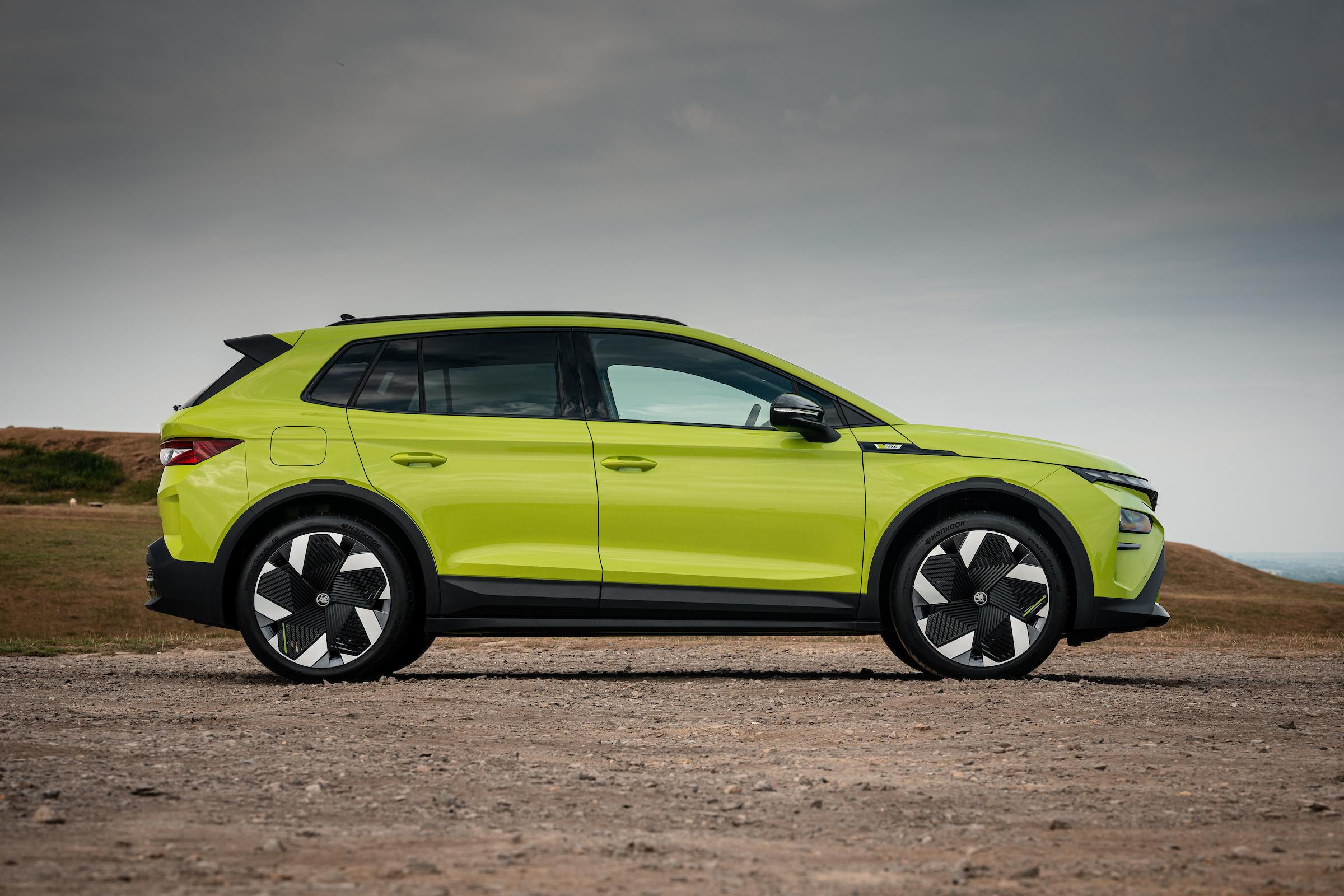
An EV does not feature the same mechanically moving parts as an ICE vehicle, though they still need to be serviced once every 12 months or 10,000 miles, depending on the vehicle’s make and model.
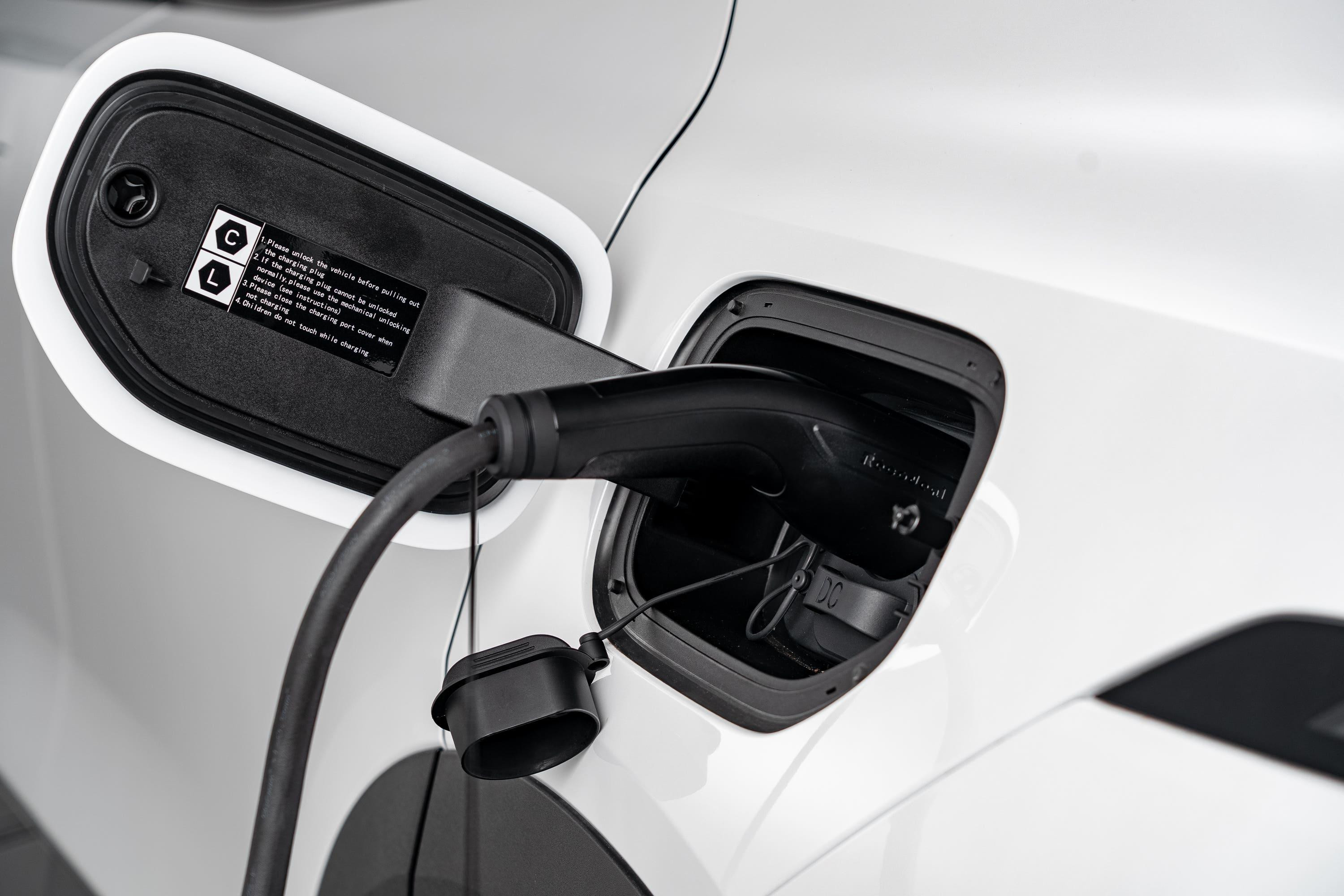
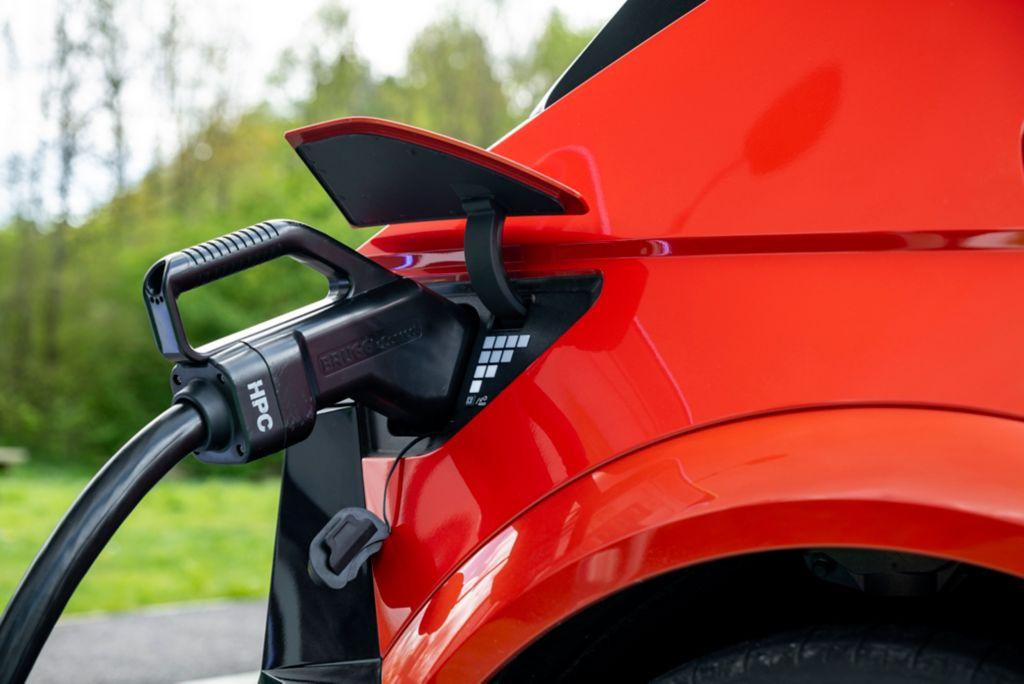
Firstly, an EV service consists of a trained technician inspecting the vehicle’s high-voltage components and cables for any damage. The vehicle’s charging cables will also be checked to make sure they’re in good condition and charge the car correctly.
Other items that are checked are general maintenance components such as the brake discs, pads, suspension, headlights and tyre condition, to make sure that the vehicle is safe to use on the road.
Just like with ICE vehicles, EVs come with cabin filters and brake fluid, which will need to be replaced under the vehicle manufacturer’s recommended service schedule, while the battery pack is inspected to make sure that the unit is not depleting and still manages to hold as close to the claimed charged range from when the vehicle was new.
Do they need to be MOT’d?
Yes, an EV will need to be MOT’d every year, once it turns three years old, just like an ICE vehicle.
Just because an EV doesn’t have an engine, that does not make it safer than a petrol or diesel car, as they still have suspension components, tyres and steel body frames that will wear out over time and use.
An EV will cost the same to MOT as a petrol and diesel vehicle, as the test is set at a fixed rate of £54.85.
What’s not included in an EV service?
As an EV has no engine, lubricants such as engine oil, oil filters, fuel filters and AdBlue do not need to be replaced.
Other mechanical components that are not included are spark plugs and glow plugs, as EVs don’t require these parts.
Are EVs more expensive to repair?
When it comes to general maintenance, such as suspension and tyres, EVs tend to be on price parity with ICE vehicles.
Brake discs and pads tend to last longer with EVs, too, due to their regenerative braking, which converts kinetic energy into electricity, which slows the vehicle down and recharges the battery. This means that brake discs don’t wear out as quickly and, as a result, won’t need to be changed as often.
Thankfully, there are several car manufacturers that provide a standard eight-year or 100,000-mile warranty with EV battery packs to help cover the cost.
Never miss a deal again
Sign up to our mailing list to receive the latest deals straight to your inbox!