The new Nissan Leaf: What does it have to offer?
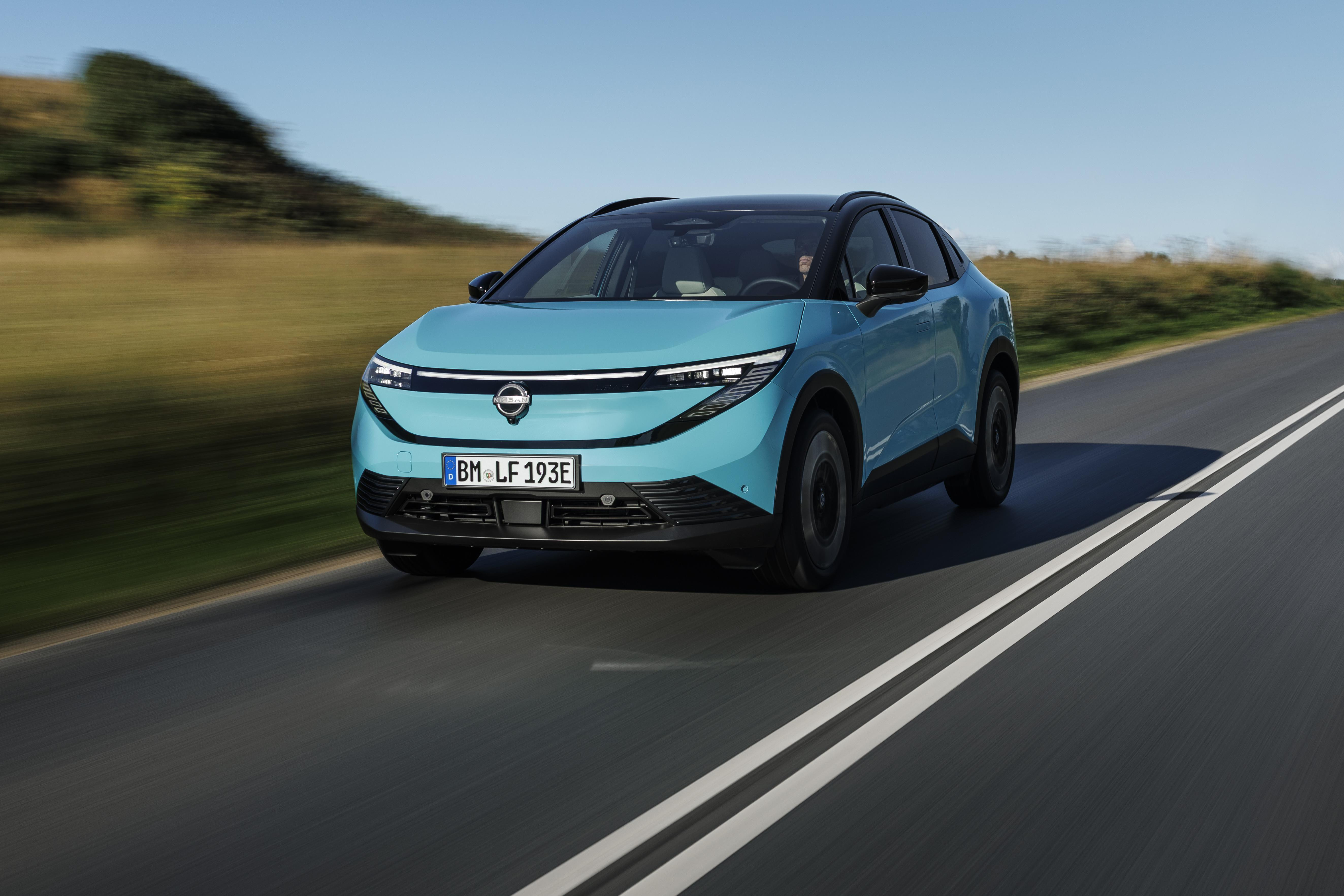
The original Nissan Leaf was launched in 2010 and was regarded as the world’s first mass-market EV.
The Leaf is Nissan’s baby and is one of the most important cars in the firm’s 92-year history, though as the years went by, the electric hatchback started to fall behind as many car manufacturers jumped onto the EV bandwagon with bigger batteries, better efficiency, faster charging speeds and longer claimed electric ranges.
For 2025, Nissan has gone back to the drawing board and decided that for the third-generation Leaf, it had to change drastically in order to keep the Japanese firm afloat in one of the most important and fiercely competitive sectors on the market.
So, what does the latest Nissan Leaf have to offer, and should you invest your money into this EV?
It’s now an SUV
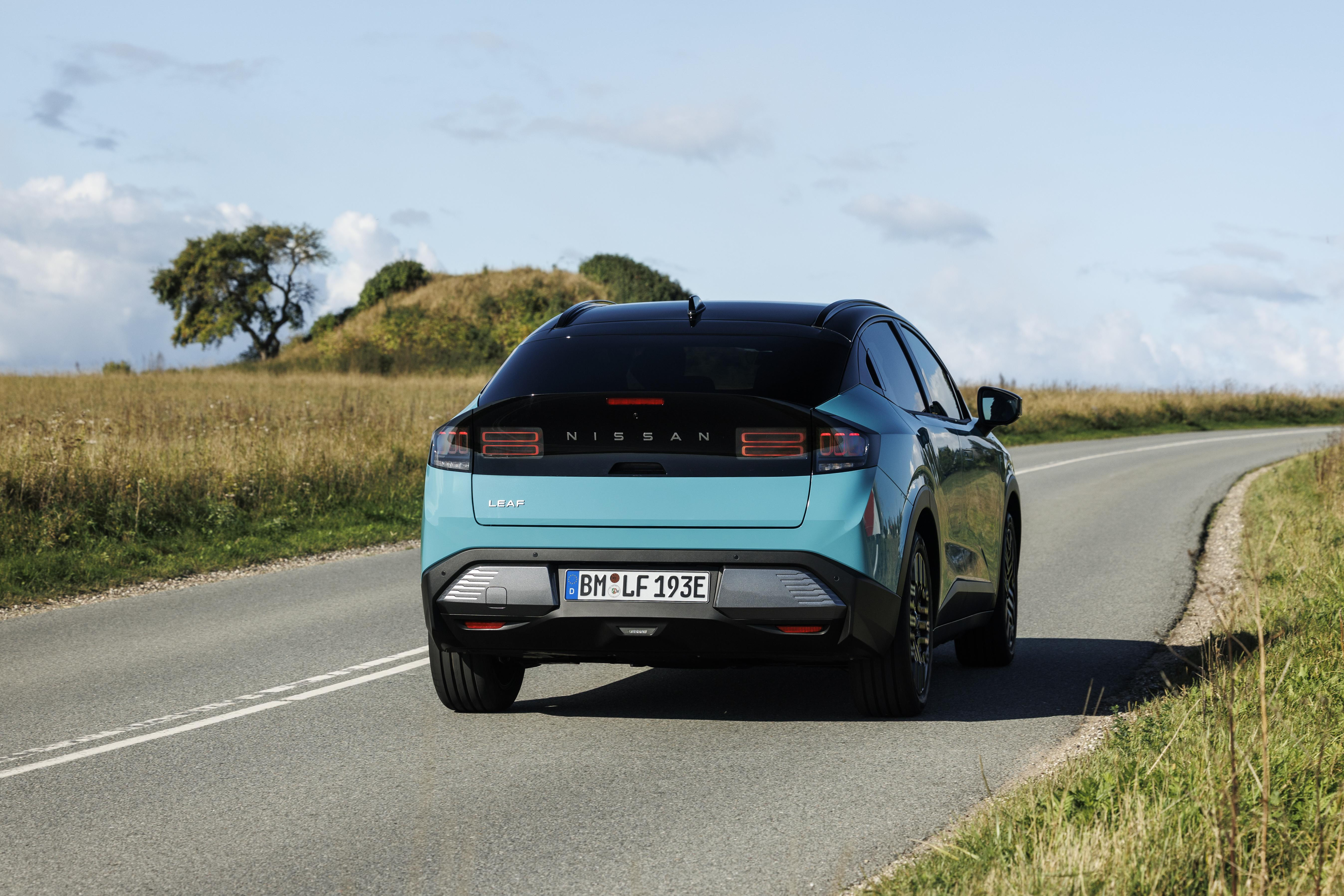
Nissan has decided to follow suit and has completely changed the Leaf’s identity from a five-door hatchback into a jacked-up coupe-esque SUV.
The SUV market now dominates the world of hatchbacks, saloons and estate cars, so it only seems right for Nissan to transform its most important car into one of the most important sectors.
The car’s design is polar-opposite to its predecessor with a sloping roofline, a kick-up tailgate, hidden rear door handles and double rectangular rear tail lights that have been pinched from the firm’s 400Z coupe.
The added benefit of flush front door handles and a smooth front end are all designed to make the car more streamlined, to help boost its efficiency and improve its electric range.
It’s built here in the UK
Just like the old Leaf, this latest model is being built at Nissan’s Sunderland Plant, UK.
The latest model has also kick-started Nissan’s ‘EV36Zero’ vision project, which includes using the Sunderland factory to build electric versions of the Qashqai and Juke crossovers, a £3bn investment into three gigafactories for battery production, and a fully-sustainable electric microgrid to help cut down on the firm’s carbon footprint in its manufacturing processes.
It sits on a new platform with a vehicle-to-load function (V2L)
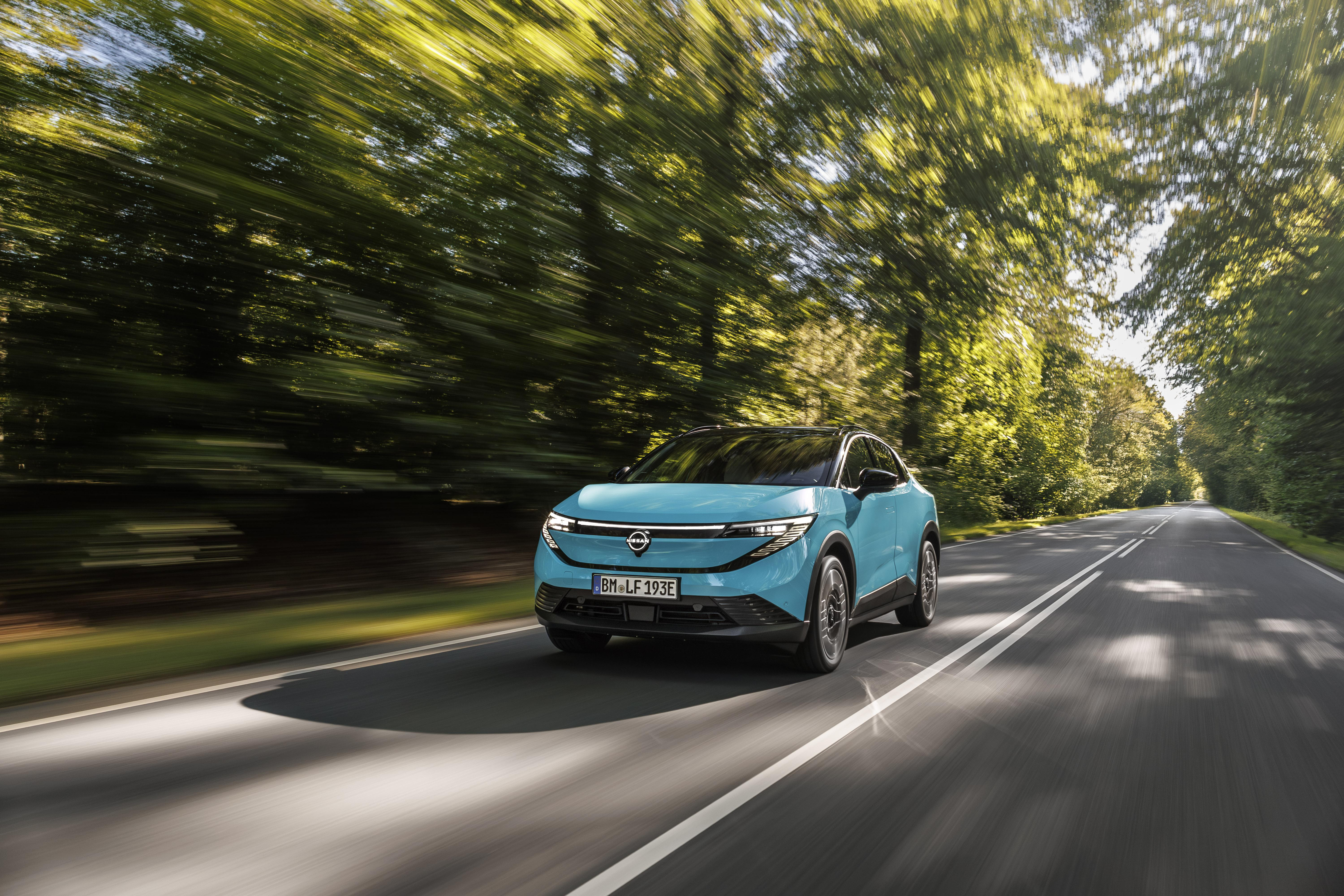
As the Leaf is now an SUV, it sits on a new platform that is shared with Nissan's other electric SUV, the Ariya.
The ‘CMF-EV’ modular platform has been used on the Leaf to help provide a better driving experience. The car’s standard multi-link rear suspension improves the ride and cornering ability, too.
Plus, for the first time, all Leafs come with a vehicle-to-load function (V2L), which allows electrical appliances such as a hair dryer and microwave to be plugged in using the car’s battery.
It’s available with two battery packs
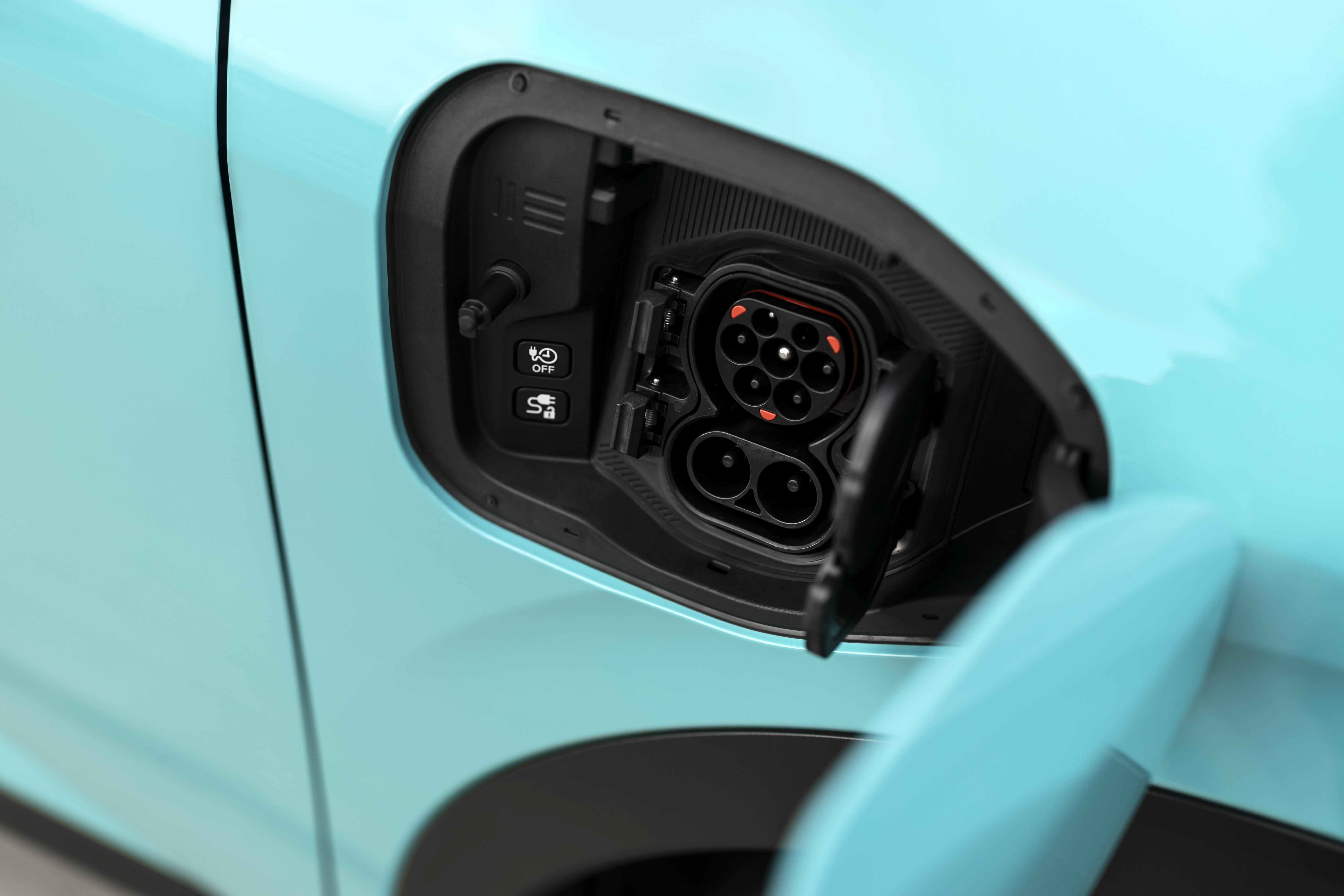
To help customers choose the right Leaf that will suit their budget and lifestyle, this new model is available with two battery options.
To kick things off, there is a ‘Standard Range’ 52kWh model with a single electric motor, which can deliver a claimed range of up to 271 miles between trips to the plug, while producing 171bhp and 345Nm of torque
There is also an ‘Extended’ Range’ 75kWh variant, which Nissan claims can take the car up to 386 miles between charges and puts out 212bhp and 355Nm of torque.
Nissan claims that the smaller battery model can be charged at speeds of 105kW, while the 75kWh car is compatible with 150kW speeds, meaning both models can be topped up from a 15 to 80 per cent charge in 30 minutes.
Never miss a deal again
Sign up to our mailing list to receive the latest deals straight to your inbox!