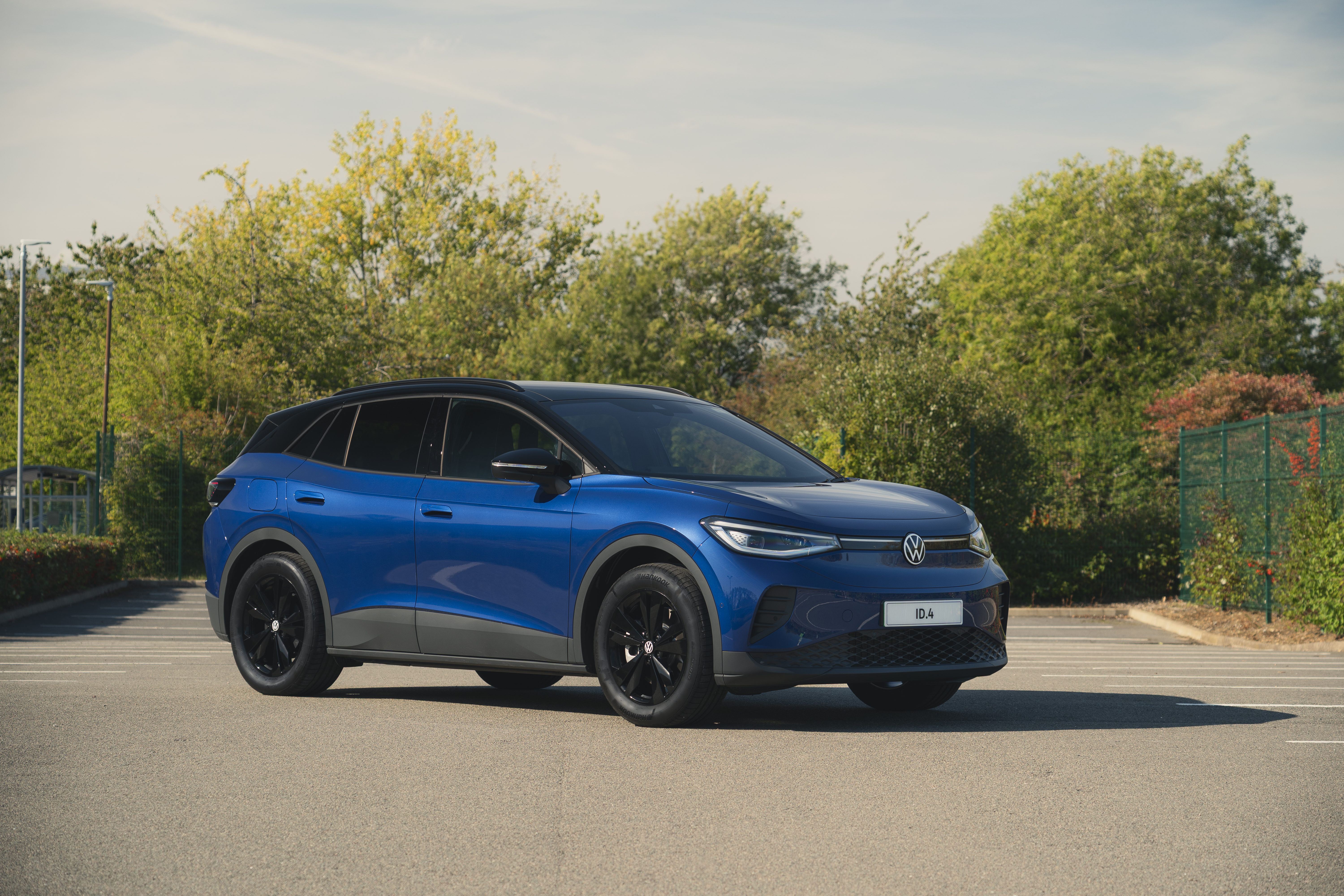
What do I need to consider when buying an electric vehicle?
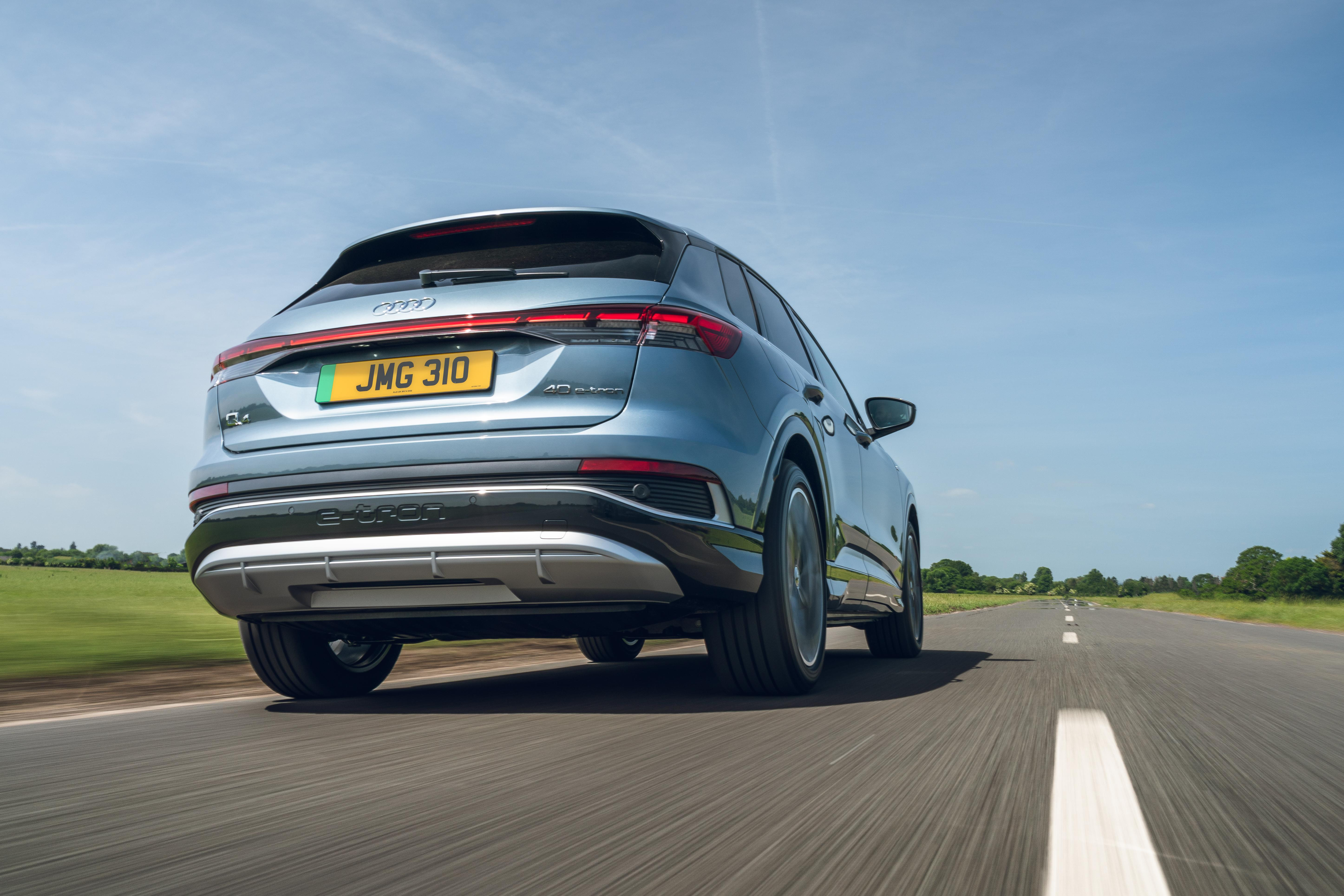
Buying a new or used electric vehicle can be a very different process than purchasing a car with an internal combustion engine.
With the latter, you look at MPG, running costs and general servicing. Or if you’re buying used, you look at its service history, the condition of the bodywork and if it’s ever had a cambelt and its water pump changed.
However, with EVs, you have to go into the buying process with a different mindset. Firstly, you have to look at the claimed electric range and how much it will cost to have a home charger installed. Then, you have to work out whether it’s going to suit your needs and be an easy car to live with on a day-to-day basis. If you’re looking at used examples, battery warranties and health will be the biggest priority on your checklist.
So, we’ve compiled a variety of different checks you should do when it comes to buying an electric vehicle.
Manufacturer warranty
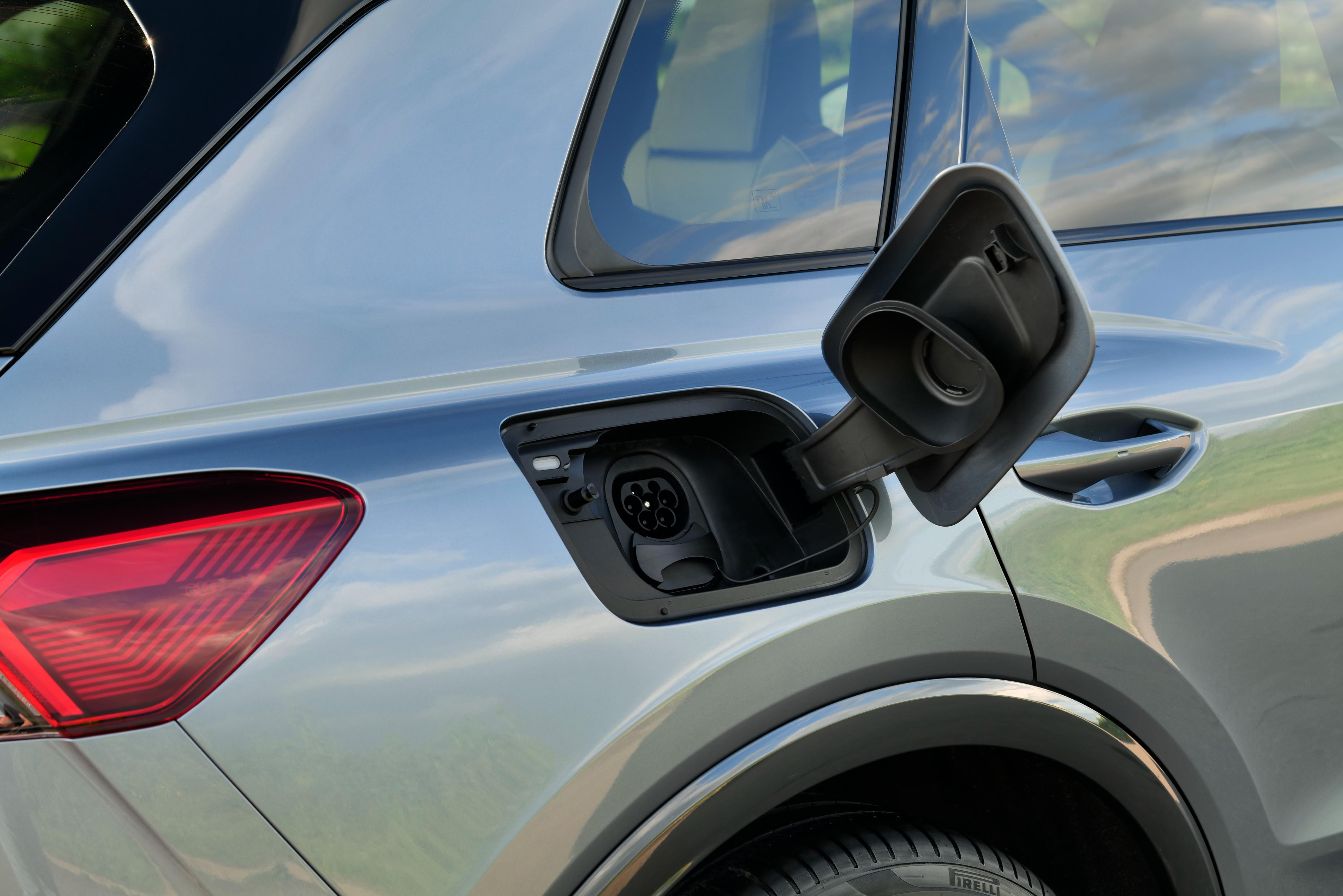
If you’re buying a brand-new EV, one of the most important things to take note of is the battery warranty.
The battery pack is the heart of an EV and if it degrades too much, then the whole vehicle will be surplus to requirements. A new unit can be as much as £8,000 – which could write the whole car off, so it’s important to check before you buy how long the warranty covering the part lasts. A majority of different car manufacturers offer between eight to 10 years on their batteries meaning that you’ll be covered if the worst were to happen.
But, when buying used, you must do your homework and check to see how much of the remaining warranty is left on the vehicle – particularly if you’re planning on keeping the car longer-term.
Look at your local infrastructure
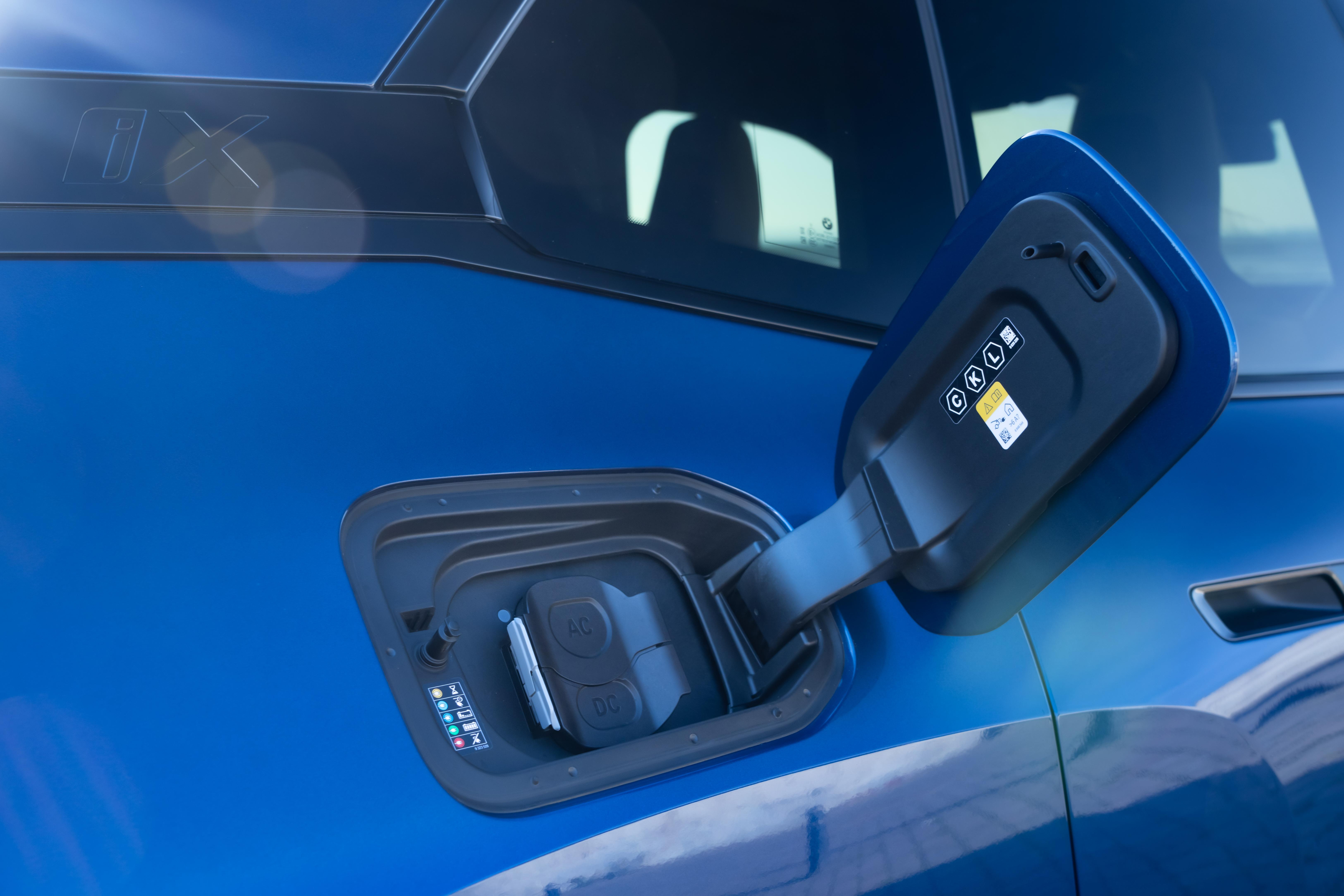
Since September 2024, there were a recorded 70,434 public chargers located in the UK and although that is far more than petrol stations, there are some further aspects to consider.
When buying an EV, always check your local area for all the charging point locations. Where you live in the country will vary how frequently chargers are positioned. For example, if you live near London, you have a greater network of providers, with a total of over 5,000 located in the capital. Whereas, somewhere like Sunderland in the northeast only has around 246, making it more difficult for EV owners to plug in. So, always do your research on the public charging network before you buy.
Range
One of the Achilles' heels of EVs is their driving ranges. Cars like the Mercedes EQS can surpass the 400-mile barrier – which is perfectly acceptable. However, its high six-figure price tag will mean most people will be looking at more affordable electric cars with real-world ranges of around 200 to 300 miles. Always work out before you buy how many miles you do a week. This will then make it easier to decide which EV best suits your lifestyle.
Charging at home
When purchasing an EV, one of the most cost-effective investments to make is to have a home charger installed. There are so many benefits to having your very own point at home as it allows you to charge your car overnight, while the off-peak rates of electricity can get as low as 7.5p per Kw – making it a lot cheaper than charging on a public network. The average electric vehicle can be topped up at home for as little as £8.
One thing to look out for though is to shop around as different installation companies will charge different rates, so if you are committed to having a home charger installed, the average price is around £1000 to £1500 to have one fitted. Bear in mind that you’ll recoup some of that cost through the lower price of powering your car, of course.
Battery health
This applies to used EVs. When buying second-hand, try and look to see if it’s got any service history. Unlike a conventional car, an electric vehicle has a lot fewer moving parts and doesn't have any fluids running around in their drivetrains - though many have coolant to help the batteries maintain a consistent temperature.
Instead, health checks are given to the cars every year as part of service intervals and if you’re looking at a potential vehicle that has kept its history – make a lot of use reading it, as it could save you thousands. If you notice the battery health-depleting in the health checks, which is also known as degradation, the car will have a smaller electric range – making it harder to live with and it will cost a lot of money to rectify.
Never miss a deal again
Sign up to our mailing list to receive the latest deals straight to your inbox!